

Aluminum Sun Control Devices for Architects: Designing Buildings That Work with the Environment
Architecture Is No Longer Just About the Building
Modern architecture extends beyond creating visually appealing structures. Architects are increasingly tasked with designing buildings that respond to their surroundings, improve occupant comfort, and contribute to long-term operational efficiency. Every exterior element must serve a purpose while supporting the overall design vision.
This is where aluminum sun control devices for architects have become an essential part of commercial building design. Rather than treating sunlight as something that must simply be blocked, architects are using aluminum sun control systems to manage daylight strategically, enhance the appearance of buildings, and create more comfortable environments inside and out.
At Sharchs, we fabricate custom aluminum sun control devices that help architects achieve both aesthetic and performance goals across a wide variety of commercial projects.
Designing with the Sun Instead of Against It
Every building interacts differently with sunlight. Geographic location, building orientation, surrounding structures, and seasonal changes all influence how sunlight affects a commercial property.
Architects increasingly view sun control devices as design tools rather than secondary building components. When integrated early in the planning process, these systems can help shape how natural light enters a building and how the exterior appears throughout the day.
The interplay between sunlight and architectural shading elements creates changing patterns of light and shadow that bring life to a facade. This dynamic relationship can transform a simple building exterior into a visually engaging architectural experience.
Turning Functional Elements into Architectural Features
The best commercial architecture often disguises performance-driven features as intentional design statements. Aluminum sun control devices are a perfect example of this approach.
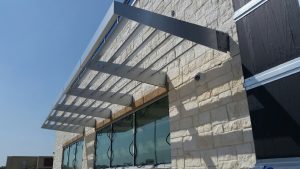
Instead of appearing purely functional, modern sun control systems can become defining architectural elements. Horizontal blades, vertical fins, custom louvers, and integrated shading structures create visual rhythm while contributing to the building’s overall character.
Architects frequently use these devices to emphasize specific design features, create continuity across large facades, or establish a signature aesthetic that differentiates a property from neighboring developments.
The result is a building that performs better while also making a stronger visual impact.
 Addressing the Challenges of Glass-Heavy Architecture
Contemporary commercial buildings often feature large expanses of glass. While glass supports natural daylight and creates an open, inviting appearance, it can also introduce challenges related to glare and solar heat gain.
Aluminum sun control devices help architects maintain the benefits of expansive glazing without sacrificing occupant comfort. By controlling direct sunlight before it reaches the building envelope, these systems reduce excessive brightness and improve interior conditions.
This is particularly valuable in office buildings where screen visibility matters, educational facilities where concentration is important, and healthcare environments where patient comfort is a priority.
By incorporating thoughtful sun control strategies, architects can preserve transparency while improving the usability of interior spaces.
Enhancing the Human Experience
Successful architecture is ultimately about people. Buildings should support the individuals who occupy, visit, and interact with them every day.
Sun control devices contribute to a more comfortable experience by helping regulate daylight and reducing harsh sunlight in key areas. Occupants can enjoy brighter, naturally lit spaces without experiencing the discomfort often associated with uncontrolled solar exposure.
Outdoor environments also benefit from strategic shading. Covered walkways, gathering spaces, and building entrances become more inviting when architects incorporate aluminum sun control features that improve usability during peak sunlight hours.
These enhancements contribute to a more positive overall experience for employees, customers, visitors, and tenants alike.
Custom Solutions for Creative Design Challenges
No two architectural projects are identical. Different building types, site conditions, and design objectives require tailored solutions that support the project’s unique goals.
Custom aluminum fabrication allows architects to create sun control devices that integrate seamlessly with the overall design. Blade sizes, spacing, orientation, projection depths, and finishes can all be adjusted to achieve specific visual and performance outcomes.
Whether the goal is a subtle architectural accent or a dramatic facade feature, aluminum provides the versatility necessary to bring creative concepts to reality.
This flexibility is one reason aluminum continues to be a preferred material for architects working on sophisticated commercial projects.
The Benefits of Aluminum in Architectural Applications
Material selection is critical when designing exterior building components. Aluminum offers several advantages that make it especially well suited for architectural sun control systems.
Its lightweight nature allows for larger and more complex installations without placing excessive loads on the building structure. Aluminum also resists corrosion, making it suitable for diverse climates and environmental conditions.
Unlike materials that require regular refinishing or extensive upkeep, aluminum maintains its appearance with minimal maintenance. Powder-coated finishes provide additional protection while allowing architects to specify colors that complement the overall design palette.
These qualities make aluminum an attractive choice for projects focused on durability, appearance, and lifecycle value.
Supporting the Future of Commercial Design
As sustainability, occupant wellness, and energy-conscious design continue to shape the commercial construction industry, aluminum sun control devices will play an increasingly important role in architectural planning.
Architects are seeking solutions that contribute to building performance while reinforcing design intent. Aluminum sun control systems successfully bridge these objectives, offering a balance of form, function, and long-term reliability.
At Sharchs, we collaborate with architects, designers, developers, and contractors to fabricate custom aluminum sun control devices that align with the goals of each project. From concept development through fabrication, our focus remains on delivering architectural solutions that enhance commercial buildings for years to come.
Contact Sharchs today to learn how custom aluminum sun control devices can help bring your next architectural vision to life.