
Sun Control Devices for Office Buildings: Improving Comfort, Efficiency, and Building Performance
Modern office buildings are expected to do much more than simply provide workspace. They must support employee comfort, reduce operating costs, create attractive environments, and meet increasingly demanding energy efficiency standards. One of the most effective ways to achieve these goals is through the strategic use of sun control devices for office buildings.
Thank you for reading this post, don’t forget to subscribe!
As commercial architecture continues to evolve, designers and property owners are looking for solutions that balance aesthetics with performance. Sun control devices help accomplish both objectives by managing solar exposure, reducing heat gain, and enhancing the overall appearance of a building. Whether incorporated into a new construction project or added during a renovation, these systems can have a significant impact on how a building functions every day.
 Why Solar Heat Gain Is a Challenge for Office Buildings
Large windows and expansive glass facades have become defining features of modern office design. Natural light creates bright, inviting workspaces and can contribute to employee satisfaction. However, without proper solar management, extensive glazing can create serious challenges.
Direct sunlight entering a building often causes interior temperatures to rise dramatically. Employees sitting near windows may experience uncomfortable glare on computer screens, while HVAC systems work harder to maintain consistent indoor temperatures. The result is increased energy consumption, higher utility costs, and uneven comfort levels throughout the workspace.
Office buildings located in southern climates, including Texas and other sun-intensive regions, are particularly vulnerable to these issues. During peak summer months, solar heat gain can place tremendous strain on cooling systems and negatively affect occupant comfort.
This is where sun control devices become an essential part of the building envelope.
What Are Sun Control Devices for Office Buildings?
Sun control devices are architectural elements specifically designed to reduce the amount of direct sunlight and solar heat entering a building. These systems can be installed on exterior walls, above windows, or integrated into a building’s facade design.
Unlike interior blinds or shades, exterior sun control systems stop much of the sun’s energy before it reaches the glass. This approach is significantly more effective because it prevents heat from entering the building in the first place.
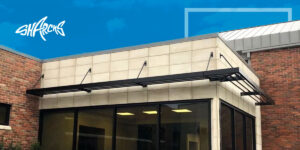
Common sun control solutions include aluminum sunshades, horizontal louvers, vertical fins, architectural canopies, and custom shading systems. Each option can be tailored to a building’s orientation, climate conditions, and architectural style.
The goal is not to eliminate natural daylight but rather to control it intelligently.
How Sun Control Devices Improve Employee Comfort
Employee comfort plays a major role in workplace productivity and satisfaction. When office environments become too warm or experience excessive glare, it can create distractions that impact performance throughout the day.
One of the primary benefits of sun control devices is their ability to create more comfortable workspaces. By reducing direct sunlight penetration, these systems help maintain more stable indoor temperatures and minimize hot spots near windows.
Glare reduction is another significant advantage. Employees working on computers often struggle with reflections and bright sunlight that make screens difficult to view. Properly designed sun control systems reduce these issues while still allowing beneficial daylight into the space.
The result is an office environment that feels more consistent, comfortable, and conducive to productivity.
Reducing Energy Costs Through Smarter Building Design
Energy efficiency remains a top priority for office building owners and facility managers. Utility expenses represent a significant portion of long-term operating costs, making energy-saving improvements highly valuable.
Sun control devices contribute directly to lower cooling demands by reducing solar heat gain. When less heat enters the building, HVAC systems require less energy to maintain comfortable indoor conditions.
This reduction in cooling load can lead to measurable energy savings over time, particularly in large office complexes with extensive glass facades. In many cases, properly designed shading systems help buildings meet sustainability goals while improving overall operational efficiency.
For organizations pursuing green building certifications or energy performance targets, exterior sun control systems often play an important role in achieving those objectives.
Architectural Sunshades Enhance Building Appearance
Performance benefits are only part of the story. Today’s architects increasingly view sun control devices as design features rather than simply functional additions.
Architectural sunshades can add depth, dimension, and visual interest to an office building’s exterior. They create distinctive shadow patterns throughout the day while contributing to a modern and sophisticated appearance.
Because aluminum systems can be fabricated in a wide range of sizes, profiles, and finishes, architects have significant flexibility when designing shading solutions that complement the overall vision of a project.
Whether the goal is a sleek contemporary facade or a bold architectural statement, sun control devices can become a defining element of a building’s identity.
Choosing the Right Sun Control Strategy
Every office building faces unique environmental conditions. Factors such as building orientation, geographic location, window placement, and architectural design all influence the most effective sun control approach.
South-Facing Facades
South-facing elevations often receive the greatest amount of direct sunlight throughout the day. Horizontal sunshades are frequently used in these areas because they effectively block high-angle summer sun while still allowing natural daylight into the building.
East and West Elevations
Morning and afternoon sunlight tends to strike east and west facades at lower angles. Vertical fins and specialized shading systems are often more effective in these locations because they help manage sunlight coming from the side.
Curtain Wall Systems
Modern office buildings commonly utilize curtain wall construction with large expanses of glass. Integrated sunshade systems can be incorporated directly into the curtain wall design, creating a seamless appearance while maximizing performance.
Careful analysis during the design phase ensures that shading devices deliver the greatest benefit while maintaining the building’s visual appeal.
Why Aluminum Is the Preferred Material
When selecting sun control devices for office buildings, aluminum continues to be one of the most popular materials in the industry.
Aluminum offers an ideal combination of strength, durability, and design flexibility. It resists corrosion, requires minimal maintenance, and performs well in a wide range of environmental conditions.
Because aluminum is lightweight yet structurally strong, it allows for larger spans and more creative architectural designs. Powder-coated finishes further enhance durability while providing numerous color options to match project requirements.
For office buildings seeking long-term performance and low maintenance costs, aluminum sun control systems provide an excellent solution.
Supporting Sustainable Office Construction
Sustainability has become a central focus in commercial building design. Tenants, investors, and building owners increasingly value properties that demonstrate environmental responsibility and energy efficiency.
Sun control devices support sustainable construction by reducing cooling demands, lowering energy consumption, and improving occupant comfort without relying solely on mechanical systems.
By helping regulate indoor temperatures naturally, these systems contribute to a more efficient building envelope. Combined with high-performance glazing and modern HVAC technologies, exterior shading solutions can significantly improve overall building performance.
As organizations continue to prioritize sustainability initiatives, sun control systems will remain an important component of responsible office design.
Partner with Sharchs for Custom Sun Control Solutions
Selecting the right sun control devices for office buildings requires more than choosing a standard product. Successful projects depend on thoughtful design, quality engineering, and systems that align with both architectural goals and performance requirements.
 At Sharchs, we specialize in custom aluminum sunshades, architectural canopies, louvers, and exterior shading systems designed to enhance commercial buildings. Our team works closely with architects, contractors, developers, and building owners to create solutions that improve comfort, reduce energy consumption, and elevate building aesthetics.
If you are planning a new office building or upgrading an existing property, contact Sharchs today to learn how our custom sun control systems can help create a more comfortable, efficient, and visually striking workplace.